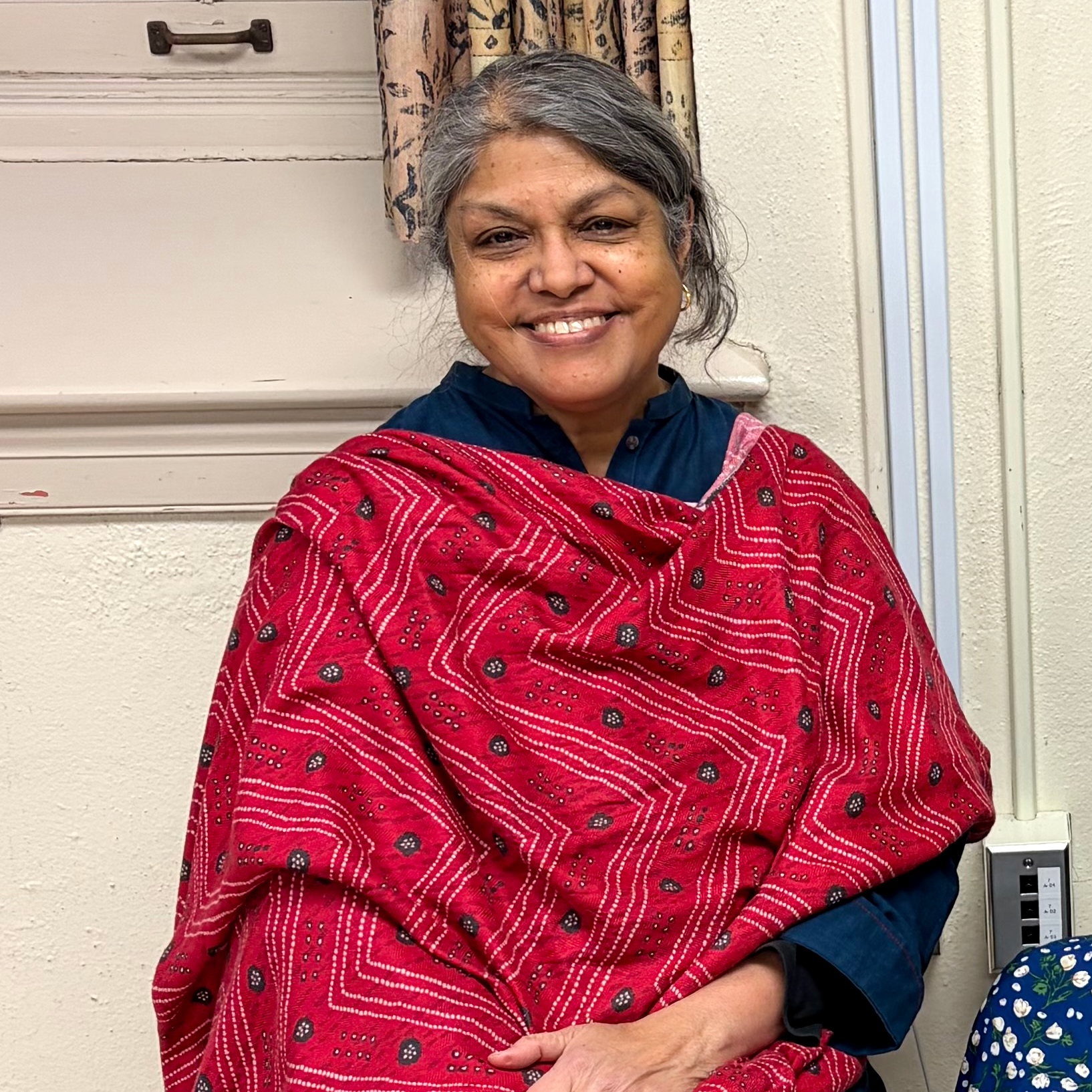
A Third Culture Kid, or TCK, coined by US sociologist Ruth Hill Useem in the 1950s, is someone who spends much of their childhood in a culture different from their parents’ country of origin, growing up between many different worlds rather than fully inside any one. My own story is exactly that: I was born in England, moved to Pakistan at age 3, my family relocated to Zambia at 13, and eventually came to the United States in my mid 20s. At this point, I had a British birth certificate, Pakistani nationality, and a Zambian medical degree. Unlike Jason Bourne, the fictional spy who had 6 different passports, I have only had 3.
Even as a child, I could feel that each place had its own rhythm. In Karachi, the social world felt close-knit and rooted in family. In Lusaka, youth culture and public life felt more open to the wider world. That contrast taught me early that culture is not a single thing; it is a collection of habits, accents, expectations, and unspoken rules.
Some childhood memories stay vivid in a way that facts never do. I remember the carefree life of Karachi in the 1960s, the smell of tandoori naan baking, and, less fondly, the flies. I also remember how normal it felt to move six times in ten years while living in Karachi, as if reinvention and relocation were simply parts of life.
At 13, moving to Zambia was not discussed as a life-changing event; it was announced, and we adapted. We sold everything, bought new things, and I carried on leaving behind a much loved watercolour set and 2 dolls, learning quickly that home could be unpacked and repacked without warning or fanfare.
Living in Pakistan and Zambia shaped me in different ways. Pakistan felt more traditional and family-centered, with Urdu language being a strong cultural anchor, while Zambia felt more linguistically diverse, more outward-looking, and in some ways more modern and hopeful. My circle of friends included Zambian classmates, Indian, Sri Lankan and British expats. My teachers and professors brought even more diversity to my life. Those differences were not just around me; they shaped how I listened, how I observed, and how I learned some of what I needed to know about belonging.
Being a TCK gives you breadth. You become comfortable with travel, foreign places feel familiar, and international books, films, and stories often feel more natural than narrowly told local ones. You learn to adapt quickly, read rooms well, and move across cultures with tremendous ease.
But there is a cost. Many TCKs struggle with a sense of not belonging fully anywhere and with the frequent question, “Where are you from?” The short answer depends on where I am at that moment; the long answer being "How much time do you have?” I love living in Gettysburg, but I do not always feel settled there, often carrying a quiet longing for somewhere else that never quite goes away.
My professional journey is the same as my life story of crossing borders. As an internationally trained physician, I had to bear the emotional and bureaucratic burden of having to prove competence again in the United States. It was not only a career challenge; it was also that of identity.
In my first U.S. hospital rotation, I felt the fluorescent lights, the unrelenting pressure to be perfect, and the fear of being misunderstood. It taught me that for most immigrants, professional belonging has to be earned twice. The accent and a name may open a door socially and can also close one professionally.
Some humorous parts of being a TCK are the tiny misunderstandings that reveal how different cultures work. I did not know the difference between immigrants and migrants. What was ‘shooting up’ and what did ‘throwing up’ mean? How about ‘my car is totaled’? Comfort food means lentils and rice to me and nachos and cheese to my kids.
Then there are everyday mismatches: writing only on one side of notebook paper, dress codes (dress casual), “half past” time, schedule versus shedule, feminism and the significance of sitting at the head of the table, no white after Labor Day, utmost privacy versus interdependence. I ate rice with a spoon and held the fork in my left hand. I didn't know the answer to ‘how would you like your eggs? I say fried, not realizing fried eggs come in 3 different ways. I would get blank stares if I said footpath and zebra crossing for sidewalk and pedestrian crossing, respectively. These are small things, but they add up to a life lived in translation.
What I have come to value most is the happy medium: the ability to enjoy the richness of many cultures without needing to belong perfectly to any single one. I love living in Gettysburg, love international movies, follow foreign TV series, read translated literature, and to this day feel a deep connection to places I have left behind.
A TCK life is not only about loss. It is also about flexibility, humor, cultural fluency, and a wider lens on the world. It means that home can be a place, a memory, a language, a smell, or even a WhatsApp group across six countries and nine cities. And sometimes, that is enough to make a life feel whole.
— Rukhsana Rahman
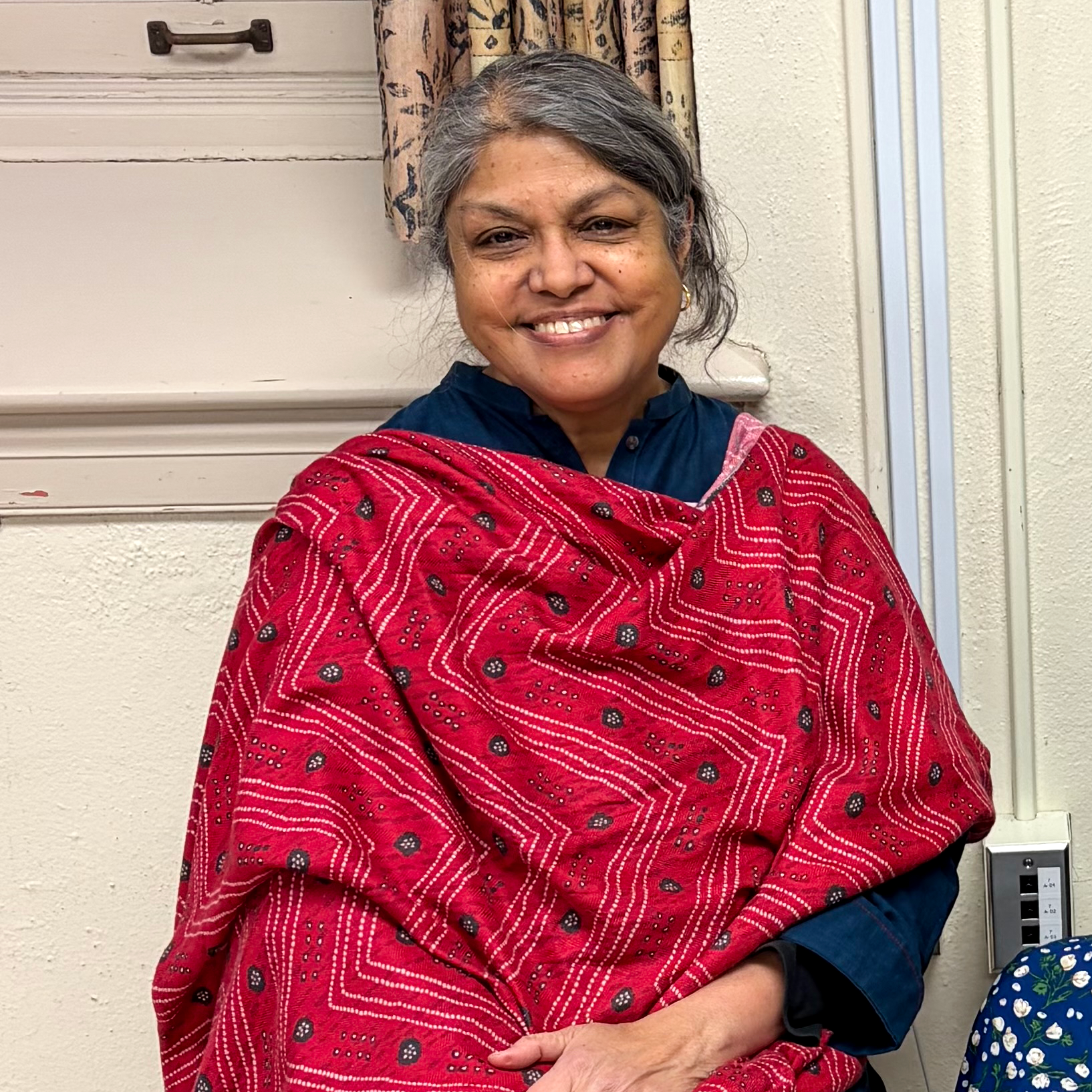
Rukhsana is a retired radiologist from Gettysburg Hospital who lives in Gettysburg with her husband Athar, 2 sons, and 2 cats.
All works copyright Rukhsana Rahman and/or Andrew T. Smith